AIR-COOLED VS LIQUID-COOLED GENERATORS: WHICH DO YOU NEED?
Cooling method is the real dividing line in standby generators. It determines the size class, how much sustained load the engine can handle, installation cost, and long-term maintenance. Understanding the difference helps you buy the right unit the first time — and avoid paying for capacity you don't need.
How generator cooling works
All internal combustion engines generate heat. The question is how that heat gets removed.
- Air-cooled generators use a high-speed fan to pull ambient air across the engine block and cylinder heads. It's simple, proven, and requires no coolant, radiator, or water pump — just clean air and proper spacing.
- Liquid-cooled generators circulate coolant (usually a water/antifreeze mix) through the engine block to a radiator, where a fan blows air through fins to shed heat. It's the same principle as your car, and it's far more effective at moving large amounts of heat away from the engine under sustained heavy load.
The cooling method isn't a minor detail — it's the primary reason a 20 kW air-cooled unit costs and installs differently than a 25 kW liquid-cooled unit.
Air-cooled standby generators (~13–22 kW)
Air-cooled standby generators are the standard choice for most single-family homes. They're compact, lighter, and simpler to install because they don't need coolant lines, radiators, or the larger concrete pad that liquid-cooled units require.
The Cummins air-cooled lineup covers the residential sweet spot:
- RS13A / C13N6H — ~13 kW, ideal for essential-circuit or small-home backup.
- RS17A / C17N6H — ~17 kW, a solid mid-size option for average homes.
- RS20A / C20N6H — ~20 kW, the most common whole-home air-cooled choice.
Customers often search by the RS model names, while dealers and distributors reference the C-series codes — they're the same units either way. If you're shopping for a Cummins air-cooled standby generator, browse our standby generator lineup to see current availability.
Liquid-cooled standby generators (25 kW and up)
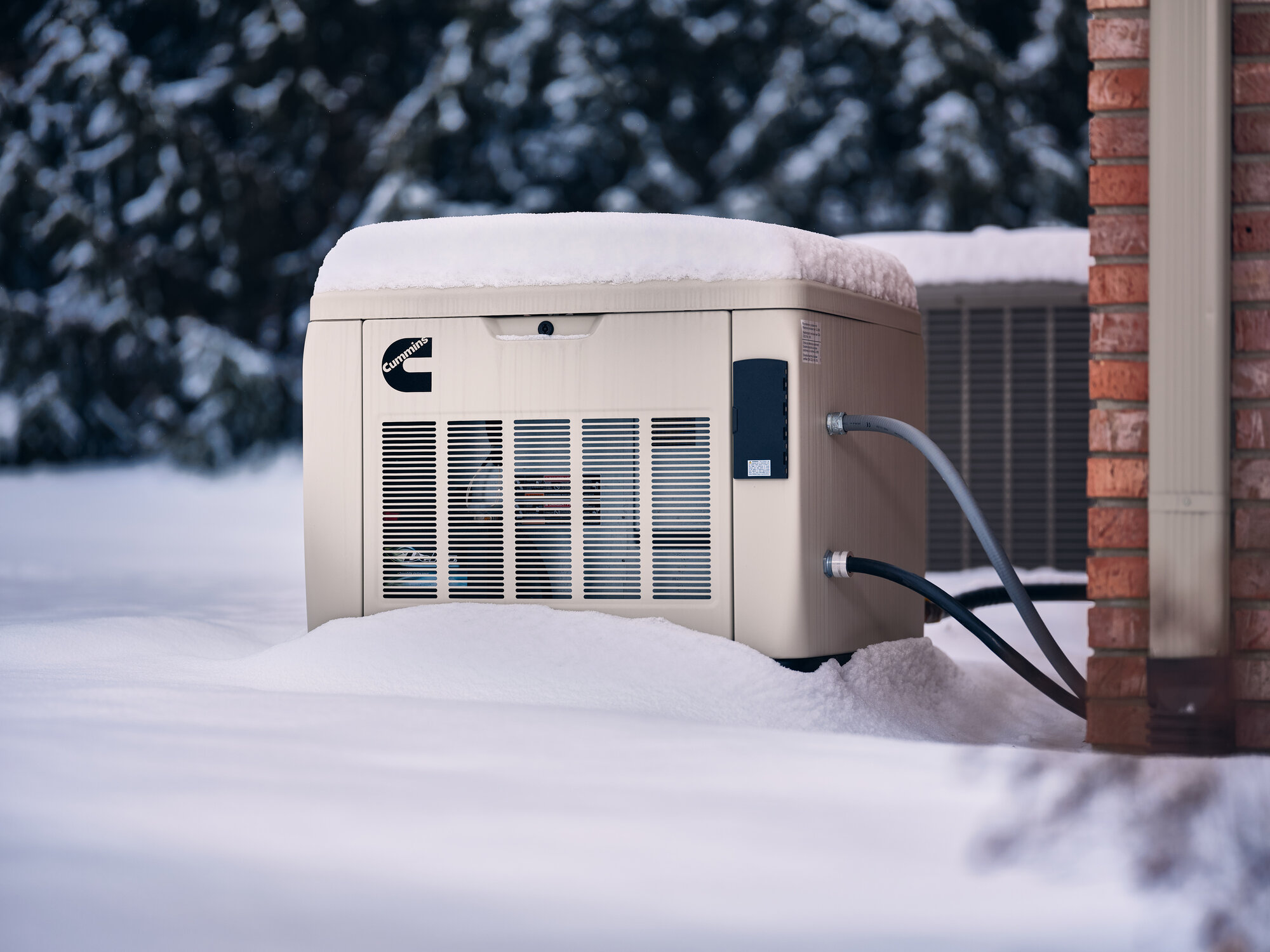
Liquid-cooled generators step up in engine size, cooling capacity, and physical footprint. They're built for sustained heavy load — larger homes with multiple HVAC zones, all-electric kitchens, commercial applications, and any site where the generator may run for hours or days at a time.
Cummins liquid-cooled gas standby units start at the RS25 / C25N6 and scale upward from there. These are radiator-cooled engines with larger displacement, designed to run cooler and longer when the electrical demand is high and continuous.
Importantly, all diesel standby generators are liquid-cooled regardless of kilowatt rating. A 20 kW diesel unit like the C20D6 is radiator-cooled by design — diesel engines produce more heat per kW and require the superior heat-rejection capacity of liquid cooling.
You can browse the full shop to compare liquid-cooled gas and diesel options side by side.
When to choose each
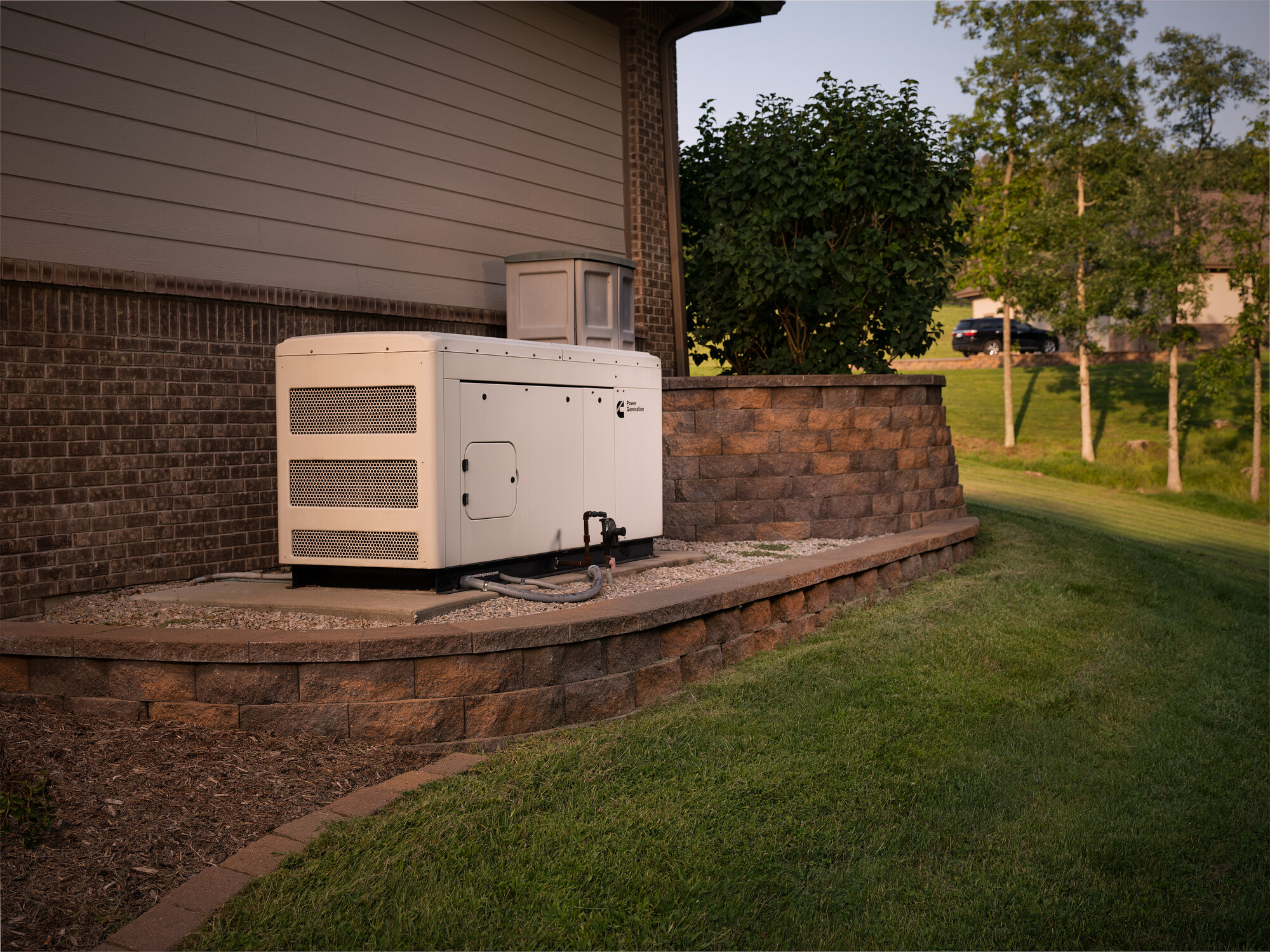
The right cooling platform depends on your load profile, not just your home's square footage.
- Choose air-cooled if your simultaneous load fits within ~13–22 kW, you have one or two central AC units, gas appliances, and standard residential electrical service. Most homeowners fall into this category.
- Choose liquid-cooled if you exceed ~22–24 kW of simultaneous load, have multiple HVAC systems, an all-electric home, or need the generator to run sustained heavy loads for long periods. Light commercial and large estates almost always land here.
- Choose liquid-cooled diesel if you need the highest fuel efficiency under sustained heavy load, don't have natural gas service, and can manage on-site fuel storage and maintenance.
The 22–25 kW crossover
The boundary between air-cooled and liquid-cooled is roughly 22–25 kW, and it's the most common point where buyers hesitate. An air-cooled 20 kW unit is cheaper and simpler, but if your load calculation says 24 kW, you can't safely "make do" with 20 kW — the unit will trip on startup surges or brown out your electronics.
If you're hovering in this range, run our 60-second sizing calculator to get a real load estimate, or send us photos of your panel and a list of major appliances. We'll confirm whether an air-cooled 20 kW is enough or whether you need to step up to a liquid-cooled 25 kW+ platform.
You can also read our related guide on what size generator you need for deeper sizing context.
FAQ
- What's the difference between air-cooled and liquid-cooled generators?
- Air-cooled generators use a fan to draw air across the engine block and shed heat. Liquid-cooled generators use a radiator and coolant loop — like a car engine — to move heat away more aggressively. Liquid cooling handles sustained heavy loads better and is standard on all diesel units and gas units 25 kW and up.
- Is a liquid-cooled generator worth the extra cost?
- For most single-family homes with one or two HVAC zones, an air-cooled unit is the right balance of cost and performance. Liquid-cooled is worth the premium when you need 25+ kW, run sustained heavy loads (multiple AC units, commercial equipment), or want cooler operating temps and longer engine life under demand.
- What size generator is liquid-cooled?
- Cummins gas standby generators switch from air-cooled to liquid-cooled at 25 kW (RS25 / C25N6 and up). All diesel standby generators are liquid-cooled regardless of kilowatt rating — even a 20 kW diesel unit is radiator-cooled.
- Do air-cooled generators overheat?
- Properly sized and installed air-cooled generators do not overheat under normal residential load. They're designed to cycle on and off with household demand, giving the engine time to cool. Issues arise when an air-cooled unit is overloaded for extended periods or placed in an enclosure with poor ventilation.
- Are liquid-cooled generators more reliable?
- Both platforms are reliable when sized and maintained correctly. Liquid-cooled engines generally run at lower peak temperatures and experience less thermal stress under continuous heavy load, which can translate to longer service life in demanding applications. For typical home backup duty, either platform is dependable.
Not sure where to start?
Run our free 60-second sizing calculator or talk to a generator pro for a no-pressure quote.