PORTABLE GENERATOR SAFETY: THE RULES THAT SAVE LIVES
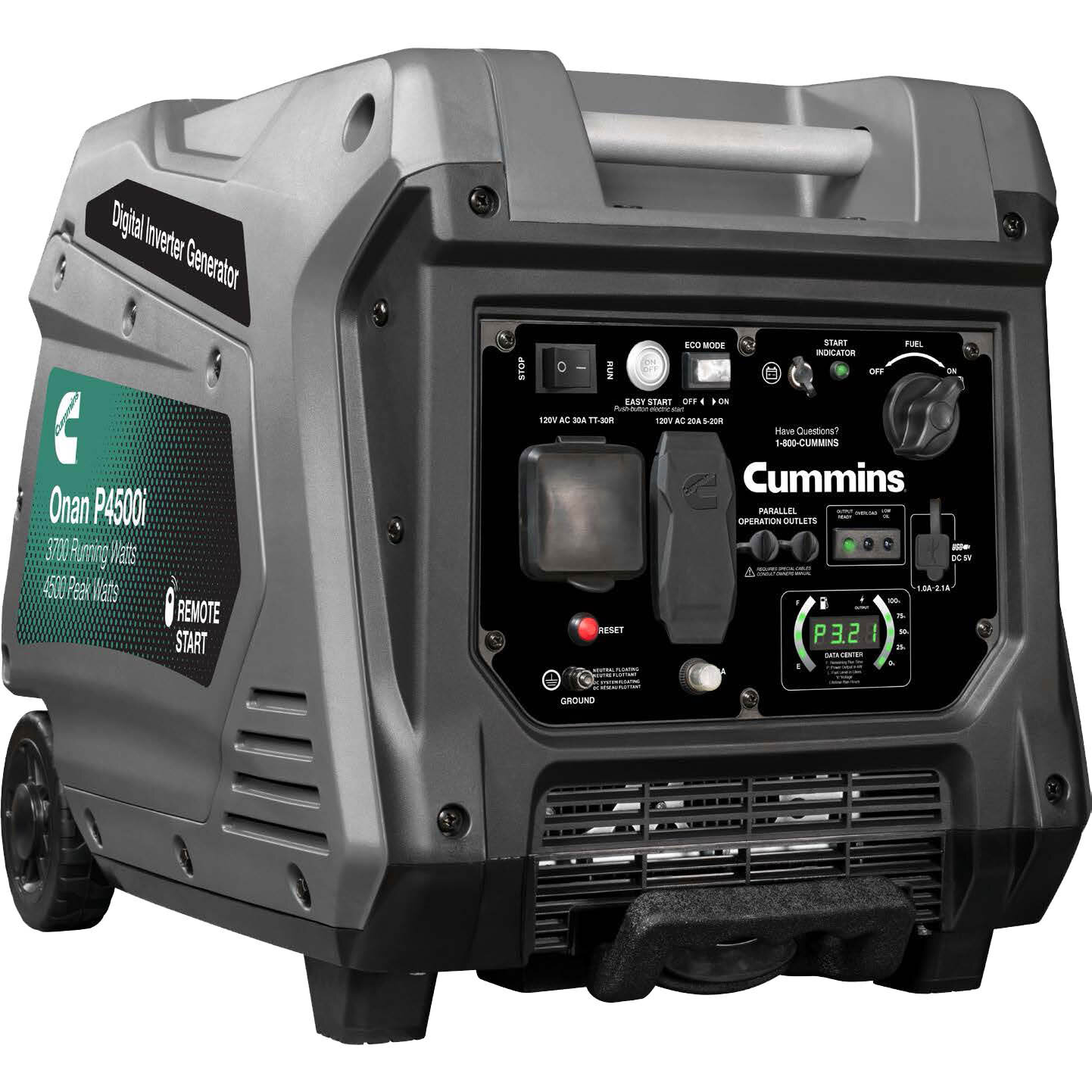
Portable generators are genuinely useful machines — and every storm season they injure and kill people who use them wrong. None of the fatal mistakes are exotic; the same three errors repeat every year. If you own a portable or plan to buy one, these rules are the manual that matters.
Rule 1: Carbon monoxide is the killer — outdoors only, far from the house
CO from generator exhaust is odorless, invisible, and lethal in minutes in enclosed spaces. The rules have no exceptions:
- Outside only. Never in a garage (even with the door open), basement, carport, crawlspace, or covered porch.
- 20+ feet from the house, exhaust pointed AWAY from windows, doors, and vents — including the neighbor's.
- Battery CO detectors inside the home, every sleeping level, tested before storm season.
- Newer portables with built-in CO shutoff sensors (most quality units sold today) are worth every penny — but they supplement the rules, never replace them.
Rule 2: Never backfeed — connect it right
Plugging a generator into a wall outlet with a homemade double-male cord ("suicide cord") energizes your home's wiring backward — it can electrocute the line workers restoring your power and is illegal everywhere. The safe options, in ascending order of convenience:
- Heavy-gauge outdoor extension cords directly to appliances — fine for fridge-and-fans duty.
- Power inlet box + manual transfer switch — a proper, code-legal connection that lets the generator run selected circuits through your panel safely. This is the right answer for any portable used as routine storm backup.
- Or step up to a standby generator with an automatic transfer switch and stop carrying cords in the rain entirely — see standby vs portable.
Rule 3: Fuel discipline
- Shut down and cool before refueling — gasoline on a hot engine is how generator fires start.
- Store fuel in proper containers, away from living space, with stabilizer, rotated every few months.
- Stale fuel is also the #1 reason portables fail to start — run the machine monthly for a few minutes.
Rule 4: Water and overload
- Generators and rain do not mix: run on a dry surface under an open canopy-style cover, never standing water.
- Respect the wattage limits — overloading trips breakers at best and cooks the windings at worst. Know your unit's starting vs running watts and what your appliances draw.
The bigger-picture answer
Portables are the right tool for camping, job sites, and occasional light-duty backup. If you find yourself depending on one every storm season — running cords in the dark, rationing outlets — that is the signal you have outgrown it. A properly sized standby unit removes the cords, the fuel runs, and every rule on this page from the equation. Size yours in 60 seconds or get a free quote.
Frequently asked questions
- How far from the house should a portable generator be?
- At least 20 feet, outdoors, with exhaust pointed away from all windows, doors, and vents. Never operate one in a garage, basement, or enclosed/covered space of any kind — even with doors open. Carbon monoxide kills generator users every storm season.
- What is backfeeding and why is it dangerous?
- Backfeeding is plugging a generator into a wall outlet to energize the house through its own wiring — it can send lethal voltage back into utility lines where crews are working, and it is illegal. The safe connection is a power inlet box with a manual transfer switch, or a permanently installed standby system.
- Do I need a transfer switch for a portable generator?
- If you want the portable to power household circuits (not just plugged-in appliances), yes — a manual transfer switch is the code-compliant, safe way to do it, and it permanently ends the extension-cords-through-windows routine.
- Why won't my portable generator start when I need it?
- Stale gasoline is the usual culprit — fuel left in the carburetor degrades in months. Run the unit briefly every month, use fuel stabilizer, and consider draining the carb for storage. The second culprit: overloaded starting watts from trying to run too much at once.
Not sure where to start?
Run our free 60-second sizing calculator or talk to a generator pro for a no-pressure quote.